Hear Beyond Words - Supporting Deaf and Hard of Hearing people across everyday situations
Hear Beyond Words – Supporting Deaf and Hard of Hearing People Across Everyday Situations is a resource kit designed to increase understanding of the barriers Deaf and hard-of-hearing people may experience in their daily lives. These barriers are not always obvious to hearing people, but they can affect communication, safety, independence, participation and access to essential services.
I chose this topic because I am Deaf and wear bilateral cochlear implants. Throughout my life, I have experienced situations in which communication and accessibility did not meet my needs. These experiences inspired me to create something practical that could help others understand that deafness affects more than a person’s ability to hear. It can influence how someone experiences healthcare, education, employment, public spaces, transport, sport, home life and emergencies.
The resource is primarily designed for social workers, psychologists, teachers, healthcare workers and other professionals who may support Deaf or hard-of-hearing people. It may also be useful for employers, sporting organizations, families and members of the wider community. My goal is to provide practical information, strategies and real-life examples that can help readers communicate more effectively, recognize accessibility barriers and offer more inclusive support.
My main research question was:
'How can professionals and the wider community better understand and support Deaf and hard-of-hearing people across everyday situations?'
My supporting research questions were:
- In which everyday environments do Deaf and hard-of-hearing young people most frequently experience communication barriers or exclusion?
- What challenges arise in educational, healthcare, social, workplace, sporting and recreational settings, as well as during emergencies and in public spaces?
- How can communication breakdowns affect a Deaf person’s safety, independence, emotional wellbeing and ability to participate?
- What information, skills and practical advice do social workers, and other professionals need to support Deaf and hard-of-hearing people effectively?
- Which communication strategies, environmental adjustments and assistive technologies are most helpful in everyday situations?
- What format and structure would make the resource most useful for professionals working in time-limited environments, such as schools and hospitals?
- How can lived-experience narratives strengthen professionals’ empathy and understanding?
- What features make autobiographical experiences effective learning tools?
- How can personal experiences inform professional practice while remaining genuine and respectful?
For this project, I chose to conduct literature-based meta-research by examining peer-reviewed studies, professional resources and existing literature instead of conducting my own surveys. Academic research allowed me to draw on evidence gathered from larger and more diverse groups of Deaf and hard-of-hearing people. This gave me access to findings about a wide range of experiences, communication preferences and accessibility needs without relying on a small local group of participants.
Using existing literature was also more appropriate for the time and resources available for my project. Conducting reliable primary research would have required careful survey design, participant recruitment, informed consent, privacy protections and ethical consideration. By using credible research that had already been reviewed, I could focus on comparing findings, identifying common themes and translating the evidence into practical guidance.
Academic evidence does not always communicate what an inaccessible situation feels like for the person experiencing it. For this reason, I have combined research findings with my lived experience as a Deaf person. The academic evidence gives the resource credibility and demonstrates that many barriers are experienced across the wider Deaf and hard-of-hearing community. My personal experiences add real-life context and show how these barriers can affect someone both practically and emotionally.
I recognise that my experiences do not represent every Deaf or hard-of-hearing person. People have different identities, communication methods, hearing devices, preferences and support needs. My experiences are therefore included as individual examples rather than presented as universal experiences.
Autobiographical snippets are included throughout the resource kit to make the information more personal, relatable and memorable. They describe situations I have experienced in places such as hospitals, schools, workplaces, sporting environments and at home. These examples connect the academic research to real life and allow readers to understand accessibility barriers from the perspective of someone directly affected by them.
I want these sections to encourage readers to think beyond policies and general advice. Rather than suggesting that every Deaf or hard-of-hearing person has the same experiences as me, the snippets remind professionals to listen to each individual, ask about their preferred communication support and avoid making assumptions about their abilities or needs.
Ultimately, Hear Beyond Words brings together academic evidence, practical strategies and lived experience in one accessible resource. I hope it helps professionals and members of the wider community become more informed, considerate and confident when communicating with and supporting Deaf and hard-of-hearing people.
Term 1: Plan, Design, Research
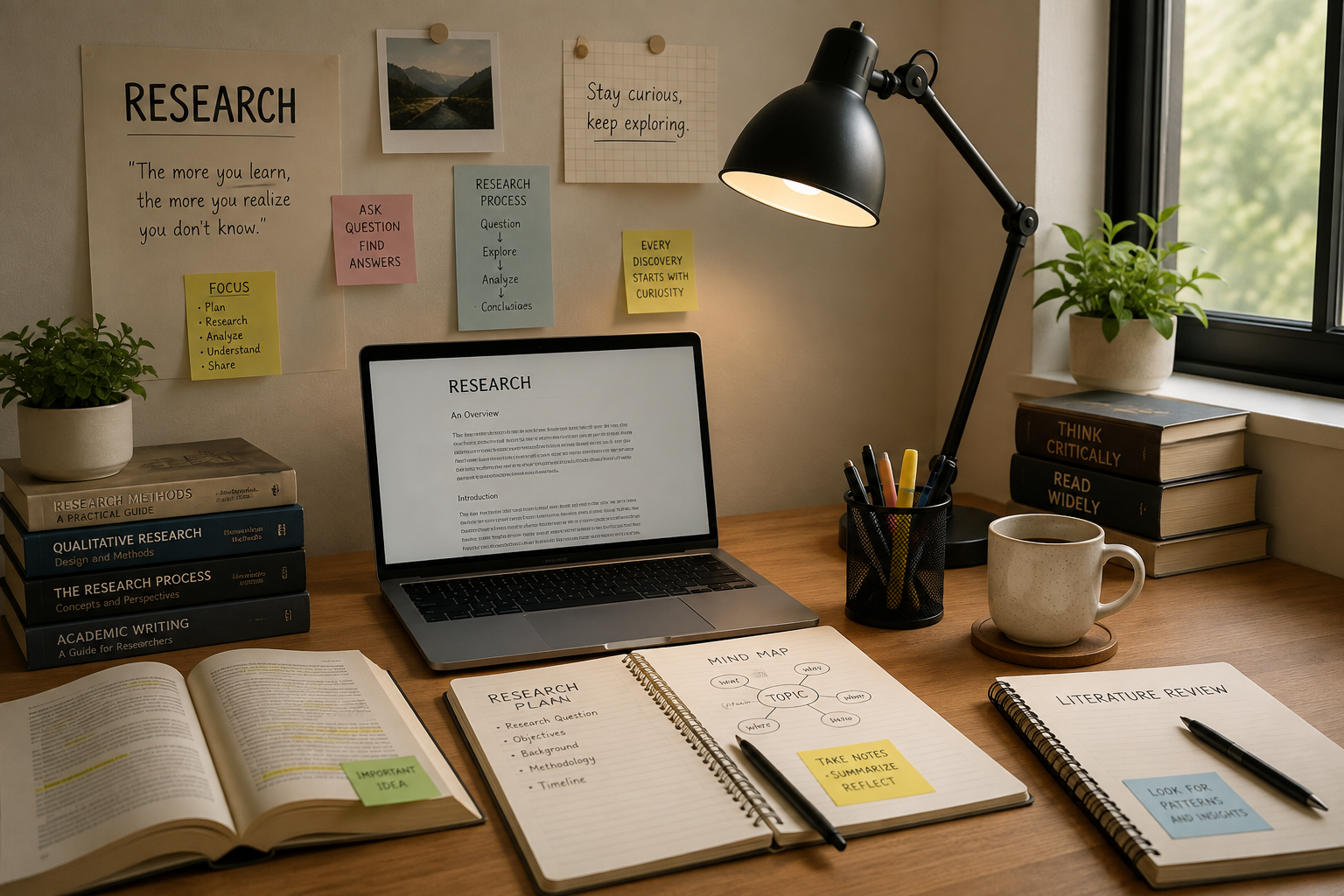
Throughout Term 1, I focused on planning, designing and researching the information that would form the foundation of my resource kit. I began by developing an idea of what the resource would look like, including its overall structure, layout and themes. I also planned what information I wanted to include by identifying the everyday situations that I personally find challenging as a Deaf person. From there, I researched whether other Deaf and hard-of-hearing individuals experience similar barriers in these situations. Once I had identified the main areas I wanted to explore, I developed a range of research questions to guide my work. I then used meta-research skills to investigate these questions, focusing on academic, peer-reviewed sources to find credible, relevant and useful information that could support the content of Hear Beyond Words.
Term 2: Storyboarding, content development
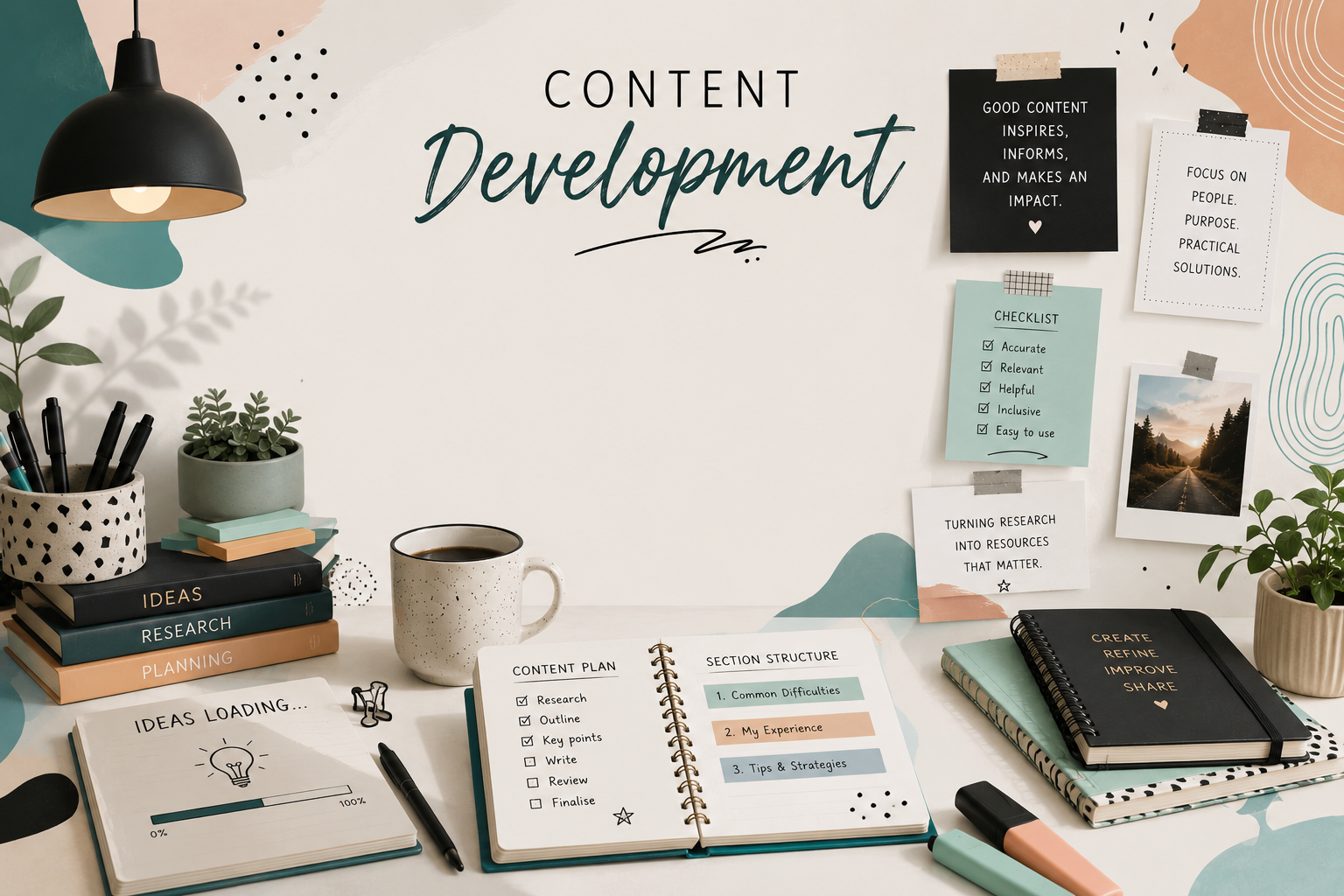
Throughout Term 2, I focused on planning the scenarios for my Hear Beyond Words resource kit. I chose hospitals and healthcare, times of danger, schools, workplaces, shopping centres, public transport and public places, team sports, home life, swimming and holidays because these are everyday situations where Deaf and hard-of-hearing people can experience communication and accessibility barriers. Many also connected to challenges I have personally experienced. I used storyboarding to organise my ideas and plan each section around common difficulties, my lived experience, and practical tips and strategies. Once the structure was clear, I used my research to develop the content and bring each scenario together.

Term 3: Finalising, polishing and publishing
Or download a full copy of the kit for printing

Academic Mentors and expert reviewers
My academic mentors, Jermy Pang (Uniiversity of Queensland and University of WEstern Sydney) and Dr Bec Bennett (University of Adelaide and Flinders University) are both professionals with the National Acoustic Laboratories (NAL) and each have studied the social impacts of hearing loss. They are being used to review and challenge my Hear Beyond Words resources kit. Their professional experience in audiology, hearing research,a nd social science allows them to check whether my information is accurate, relevant and useful.
My other expert reviewers are Zinette Hopper, Clinical Audiologist with Next Sense, and Maxine Jobbins, Hearing Support Teacher and Speech/Language Therapist.
Together, my academic mentors and expert reviewers provide feedback, ask questions and encourage me to think beyond my own lived experience as a Deaf person. Their guidance helps me identify areas that require further research or explanation and ensures that the finished resource combines lived experience with professional knowledge and evidence.
My final work is due to be reviewed by Dr. Bec Bennett in October 2026. I will then implement the feedback I receive to finalise the toolkit by the end of 2026.